
Our Services
Lipedema Assessment & Management
Understanding your body. Finding answers. Taking control of your health.
Have you noticed that your legs or arms seem disproportionately larger than the rest of your body, even when you’re maintaining a healthy lifestyle? Do you experience unexplained tenderness, heaviness, or easy bruising?
These symptoms may be signs of lipedema, a chronic condition that predominantly affects women and is often misunderstood or overlooked.
At The Menopause Practice, we believe that every woman deserves to feel heard and supported when navigating changes in her body. Our specialized lipedema assessment and management services are designed to help you better understand your symptoms, explore appropriate treatment options, and take meaningful steps toward improving your comfort, mobility, and quality of life.
What Is Lipedema?
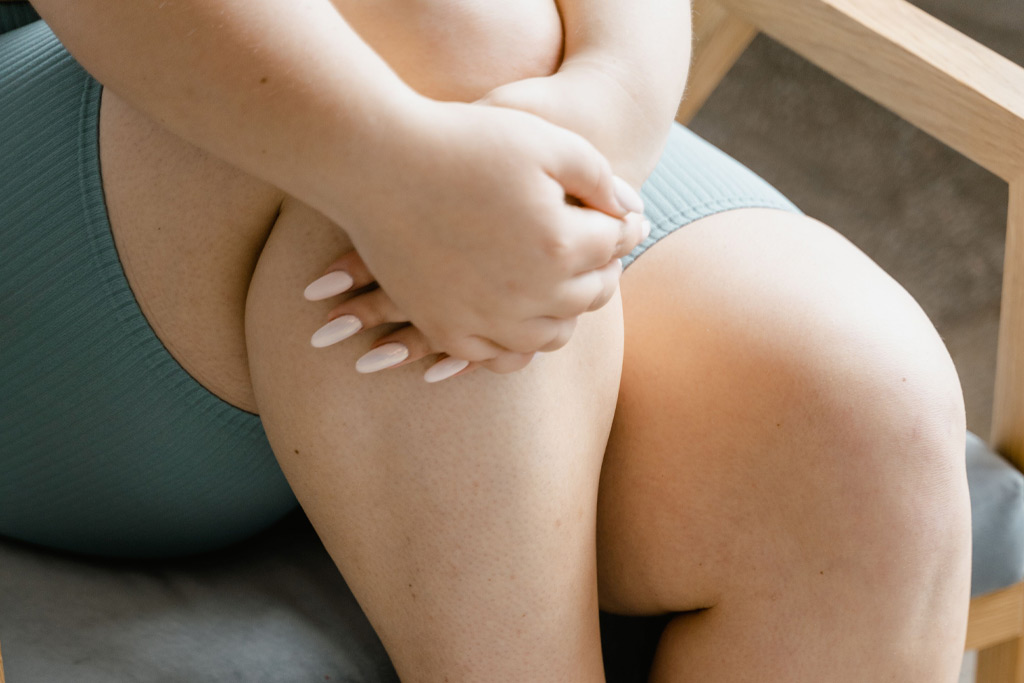
Lipedema is a chronic condition characterized by an abnormal accumulation of fatty tissue, most commonly in the legs, hips, buttocks, and sometimes the arms.
Unlike typical fat distribution, lipedema often causes the affected areas to become disproportionately larger than the rest of the body. The tissue may also feel tender, painful, or lumpy beneath the skin.
Lipedema primarily affects women and can develop or become more noticeable during periods of hormonal change, including puberty, pregnancy, and menopause.
Although lipedema is not simply a result of excess weight, it is frequently mistaken for obesity or other conditions that cause swelling or changes in body composition. As a result, many women struggle for years without understanding why their bodies are changing.
Receiving a thorough assessment can be an important first step toward finding answers and developing an appropriate management plan.
Recognizing the Signs of Lipedema
Lipedema can look and feel different from one person to another. Common signs and symptoms include:
- Disproportionate fat distribution: Legs, hips, or arms that appear noticeably larger compared to the upper body.
- Pain or tenderness: Affected areas may feel sensitive to pressure or uncomfortable to touch.
- Heaviness: A persistent feeling of heaviness or discomfort in the legs or arms.
- Easy bruising: Bruises may appear more frequently or with minimal impact.
- Changes in tissue texture: Fat beneath the skin may feel uneven or lumpy.
- Symmetrical changes: Lipedema typically affects both sides of the body in a similar pattern, while the hands and feet are usually spared.
These symptoms can affect physical comfort, mobility, confidence, and everyday activities.
Not everyone with these symptoms has lipedema. A clinical assessment is important to distinguish it from other conditions and determine the most appropriate next steps.
Lipedema and Menopause: Understanding the Connection
Hormonal changes are believed to play a role in the development and progression of lipedema.
For some women, symptoms first become noticeable during puberty or pregnancy. For others, perimenopause and menopause may be associated with changes in fat distribution, increased discomfort, or worsening symptoms.
During menopause, fluctuating and declining hormone levels can also influence body composition, making it more difficult to understand which changes are part of the normal aging process and which may be related to an underlying condition.
At The Menopause Practice, we understand the complexities of women’s hormonal health and the importance of looking beyond the number on the scale.
Our approach considers your symptoms, medical history, and overall health to help identify appropriate strategies for managing lipedema.
Specialized Lipedema Care with Supriya Nishtala
Expertise, compassion, and personalized support.
We are proud to offer specialized lipedema assessments with Supriya Nishtala, Nurse Practitioner and Certified Lipedema Practitioner.
Supriya is also a member of the Standards Committee for Lipedema Canada, contributing to the development of standards for lipedema care.
With specialized training and a compassionate, patient-centred approach, Supriya works with women seeking clarity about their symptoms and guidance on managing this often-overlooked condition.
Whether you suspect you may have lipedema or are looking for ongoing support following a diagnosis, our goal is to help you feel informed, understood, and confident in your care.
What to Expect During Your Lipedema Assessment
Your initial lipedema assessment is a comprehensive, 75-minute in-person appointment with Supriya Nishtala, Nurse Practitioner and Certified Lipedema Practitioner.
During your visit, Supriya will review your medical history, discuss your symptoms and concerns, and conduct a physical assessment to evaluate for signs of lipedema.
The assessment will help distinguish lipedema from other conditions that may cause similar symptoms, such as changes in body composition or limb swelling.
Based on your assessment, Supriya will discuss her findings and work with you to develop an individualized management plan tailored to your symptoms, health needs, and personal goals.
How to Prepare for Your Appointment
- Bring shorts that allow your legs to be easily examined.
- Bring a sports bra or tank top to allow for assessment of your arms and upper body.
- Be prepared to discuss your medical history, symptoms, and any changes you have noticed over time.
All lipedema assessments must be completed in person at our Winnipeg clinic.
Our Lipedema Assessment & Care Program
We offer a structured care plan designed to support you from your initial assessment through ongoing management.
Initial Lipedema Assessment — $499
A comprehensive clinical assessment with our Certified Lipedema Practitioner, including a review of your health history, symptoms, and individualized care recommendations.
Follow-Up Appointments — $250 each
Recommended follow-up appointments at:
- 3 months
- 6 months
- 9 months
These appointments allow us to assess your progress, review symptoms, and adjust your management strategies as appropriate.
Our goal is to provide continuity of care and support your long-term comfort, mobility, and quality of life.
Frequently Asked Questions
Is lipedema the same as obesity?
No. Although lipedema and obesity can occur together, they are different conditions. Lipedema involves an abnormal distribution of fatty tissue and may be accompanied by pain, tenderness, and easy bruising. A proper assessment can help determine whether lipedema may be contributing to your symptoms.
Can lipedema develop during menopause?
Hormonal transitions, including menopause, may be associated with the onset or worsening of lipedema symptoms. Not every change in body fat distribution during menopause is caused by lipedema, which is why an individualized assessment is important.
Can lipedema be cured?
There is currently no cure for lipedema. However, individualized management strategies may help alleviate symptoms, support mobility, and improve overall quality of life.
How is lipedema diagnosed?
Lipedema is assessed clinically through a review of your symptoms, medical history, and physical findings. Your healthcare provider will also consider other conditions that may cause similar symptoms.
If you do not get a diagnosis of lipedema, what’s next? A letter will be provided to you and your primary care provider stating that the client does not have lipedema, and a recommendation of further evaluation for possible alternative differential diagnoses will be provided.
Do I need a referral to book an assessment?
No, you do not need a referral.
You Deserve Answers
If you’ve been struggling with unexplained changes in your body, persistent leg discomfort, or symptoms that haven’t been adequately explained, we’re here to help you explore what may be happening.
At The Menopause Practice, our goal is to replace uncertainty with understanding and help you make informed decisions about your health.
Take the first step toward understanding your symptoms.
