
Our Services
IUD Insertion & Removal
Your comfort matters. Your pain matters. Women deserve better.
For too long, women have been told that discomfort and pain are simply part of getting an intrauterine device (IUD) inserted or removed.
At The Menopause Practice, we believe it’s time to change that.
We believe IUD insertion and removal should be as comfortable and as pain-free as possible. No woman should feel that she needs to simply endure a painful procedure to take control of her reproductive health.
That’s why we take a different approach. Every IUD insertion at our clinic includes a comprehensive pain-management approach, with local cervical numbing and additional medication options to help minimize discomfort and anxiety.
Our goal is simple: to provide a more comfortable, supportive experience where your concerns are heard, your choices are respected, and your well-being comes first.
Because women deserve better healthcare.
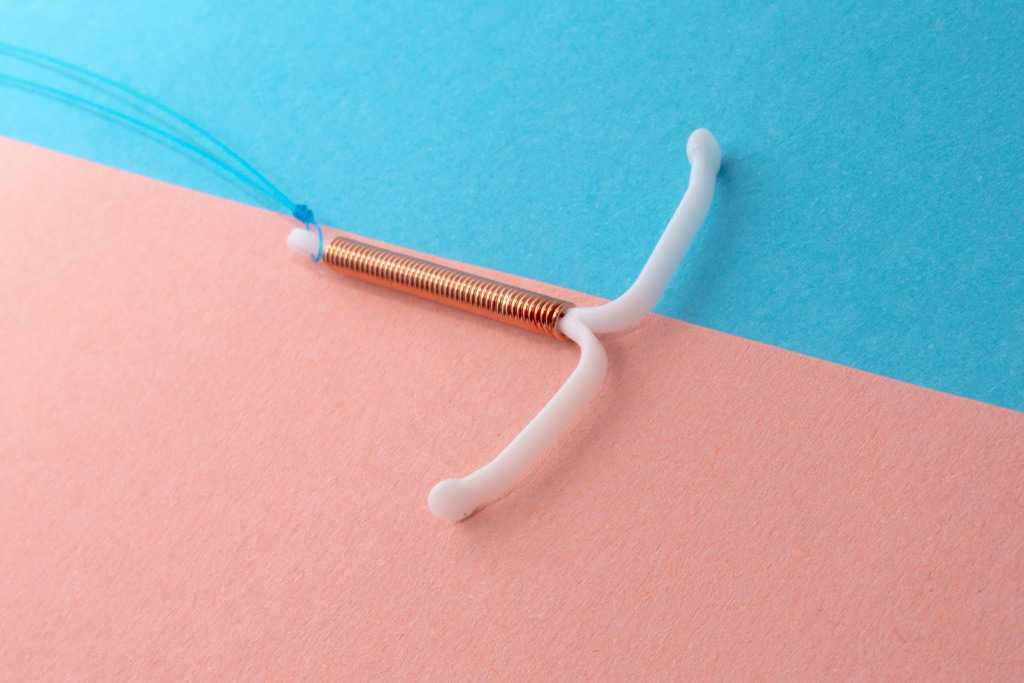
What Is an IUD?
An intrauterine device (IUD) is a small, T-shaped device that is placed inside the uterus by a qualified healthcare practitioner.
IUDs are a highly effective, long-acting, and reversible form of contraception. Depending on the type, they may also be used to manage heavy menstrual bleeding and provide endometrial protection as part of menopausal hormone therapy.
There are two main types of IUDs:
Hormonal IUDs
Hormonal IUDs release a small amount of progestin into the uterus. In addition to providing contraception, they may help reduce heavy menstrual bleeding and menstrual cramps. Certain hormonal IUDs can also be used for endometrial protection in women receiving estrogen therapy.
Copper IUDs
Copper IUDs are hormone-free and provide long-term contraception. They may be a suitable option for women who prefer to avoid hormonal birth control.
Our Nurse Practitioners can help determine which type of IUD is appropriate for your health needs, symptoms, and personal preferences.
IUD Insertion: A Better Approach to Pain Management
We don’t believe women should have to suffer through healthcare procedures.
For many women, the fear of pain is one of the biggest concerns surrounding IUD insertion.
And understandably so.
While some experience only mild cramping, others experience significant pain during the procedure. Unfortunately, women’s concerns about procedural pain have too often been minimized or dismissed.
At The Menopause Practice, we believe those experiences deserve to be acknowledged and that appropriate pain management should be part of the conversation from the very beginning.
All IUD insertions at our clinic include a comprehensive pain-management approach.
Our approach may include:
- Cervical numbing: A local anesthetic, such as Xylocaine (lidocaine), is used to numb the cervix and help reduce pain associated with the procedure.
- Medication for anxiety and or pain: Medication such as lorazepam, Tramadol or Tylenol with codeine can be prescribed to help reduce pain and or anxiety during the procedure.
- Supportive, patient-centred care: Your Nurse Practitioner will explain each step, check in with you throughout the procedure, and ensure that your concerns are taken seriously.
Lorazepam is an anti-anxiety medication rather than a pain reliever. Your Nurse Practitioner will determine whether it is appropriate for you and discuss any additional pain-relief measures.
Although no procedure can be guaranteed to be completely painless, we are committed to making your experience as comfortable as possible.
Pain management isn’t an afterthought. It’s part of how we care for you.
IUD Removal: Your Comfort Still Comes First
Whether you’re ready to become pregnant, experiencing unwanted side effects, transitioning through menopause, or simply choosing a different treatment option, we’re here to support your decision.
IUD removal is typically a brief procedure, but we recognize that everyone’s experience is different.
At The Menopause Practice, your comfort remains a priority during removal appointments, too.
Your Nurse Practitioner will discuss the procedure, address any concerns, and review appropriate comfort and pain-management options based on your individual needs.
If your IUD is difficult to remove or requires a more specialized procedure, we will discuss the safest next steps with you.
You deserve to feel informed, respected, and supported at every stage of your care.
What to Expect at Your IUD Insertion Appointment
Our goal is to make the entire experience as straightforward and comfortable as possible.
Step 1: Consultation & Preparation
Before your appointment, our team will review the necessary information, confirm the appropriate IUD, and discuss your medical history, pain-management plan, and any required preparation.
Step 2: Your IUD Prescription
Your IUD prescription will be sent directly to your preferred pharmacy before your appointment.
You will need to pick up your prescribed IUD from the pharmacy and bring it with you to your insertion appointment.
Please do not arrive without your IUD, as we will not be able to proceed with the insertion without the prescribed device.
Step 3: Pain Management
Before your insertion, your Nurse Practitioner will explain the procedure and administer the planned pain-management measures, including cervical numbing.
If an anti-anxiety medication such as lorazepam has been prescribed, you will receive specific instructions about when to take it and any transportation precautions.
Step 4: IUD Insertion
Your Nurse Practitioner will gently insert the IUD into your uterus, explaining each step and checking in with you throughout the procedure.
Step 5: Aftercare & Recovery
Following your insertion, we’ll provide guidance on what to expect, how to manage any temporary cramping or spotting, and when to seek medical attention.
We want you to leave feeling confident, informed, and supported.
Preparing for Your Appointment
- Pick up your IUD from your pharmacy and bring it to your appointment. Your prescription will be sent directly to your pharmacy in advance.
- Follow any medication and pain-management instructions provided by your Nurse Practitioner.
- If you have been prescribed lorazepam, arrange for someone to drive you home. Do not drive after taking this medication.
- Let us know about any previous painful IUD experiences, medication allergies, or concerns before your procedure.
- Plan to take it easy afterward if you experience cramping or discomfort.
IUDs and Menopause: More Than Contraception
While IUDs are commonly associated with birth control, certain hormonal IUDs also play an important role in perimenopause and menopause care.
For women using systemic estrogen therapy who have a uterus, appropriate progesterone or progestin treatment is necessary to protect the uterine lining.
Certain hormonal IUDs can provide this protection while also offering contraception and helping manage heavy menstrual bleeding.
At The Menopause Practice, our Nurse Practitioners understand the connection between reproductive health, hormonal changes, and menopause management.
We can help you explore whether a hormonal IUD may be an appropriate part of your individualized treatment plan.
Frequently Asked Questions
Is IUD insertion painful?
Do you offer pain management for IUD insertion?
Yes. Pain management is a standard part of every IUD insertion at The Menopause Practice. We use a local cervical anesthetic, such as Xylocaine, and may provide additional medication, such as lorazepam for anxiety, when appropriate.
Do I need to purchase my IUD before my appointment?
Yes. Your IUD prescription is sent directly to your preferred pharmacy before your scheduled appointment. You are responsible for picking up the device and bringing it with you to the clinic for insertion.
Can I drive myself home afterward?
Does IUD removal hurt?
Can a hormonal IUD be used during perimenopause or menopause?
A Different Standard of Women’s Healthcare
Your pain deserves to be taken seriously.
We believe healthcare should never require women to minimize their discomfort or feel embarrassed about asking for pain relief.
Whether you’re having your first IUD inserted, replacing an existing device, or scheduling a removal, our team is committed to providing thoughtful, compassionate care that prioritizes your comfort and well-being.
You deserve to be heard. You deserve effective pain management. You deserve better.
And at The Menopause Practice, that’s exactly what we’re working to provide.
